
撒妮阳写真 阿拉伯风格中东油画复古古典宫廷优雅肖像人物写真壁纸艺术文化美学解析
Saniyang photoshoot Arab-style Middle Eastern oil painting vintage classical palace elegant portrait wallpaper art cultural aesthetics analysis



一、色彩体系的阿拉伯传统审美契合
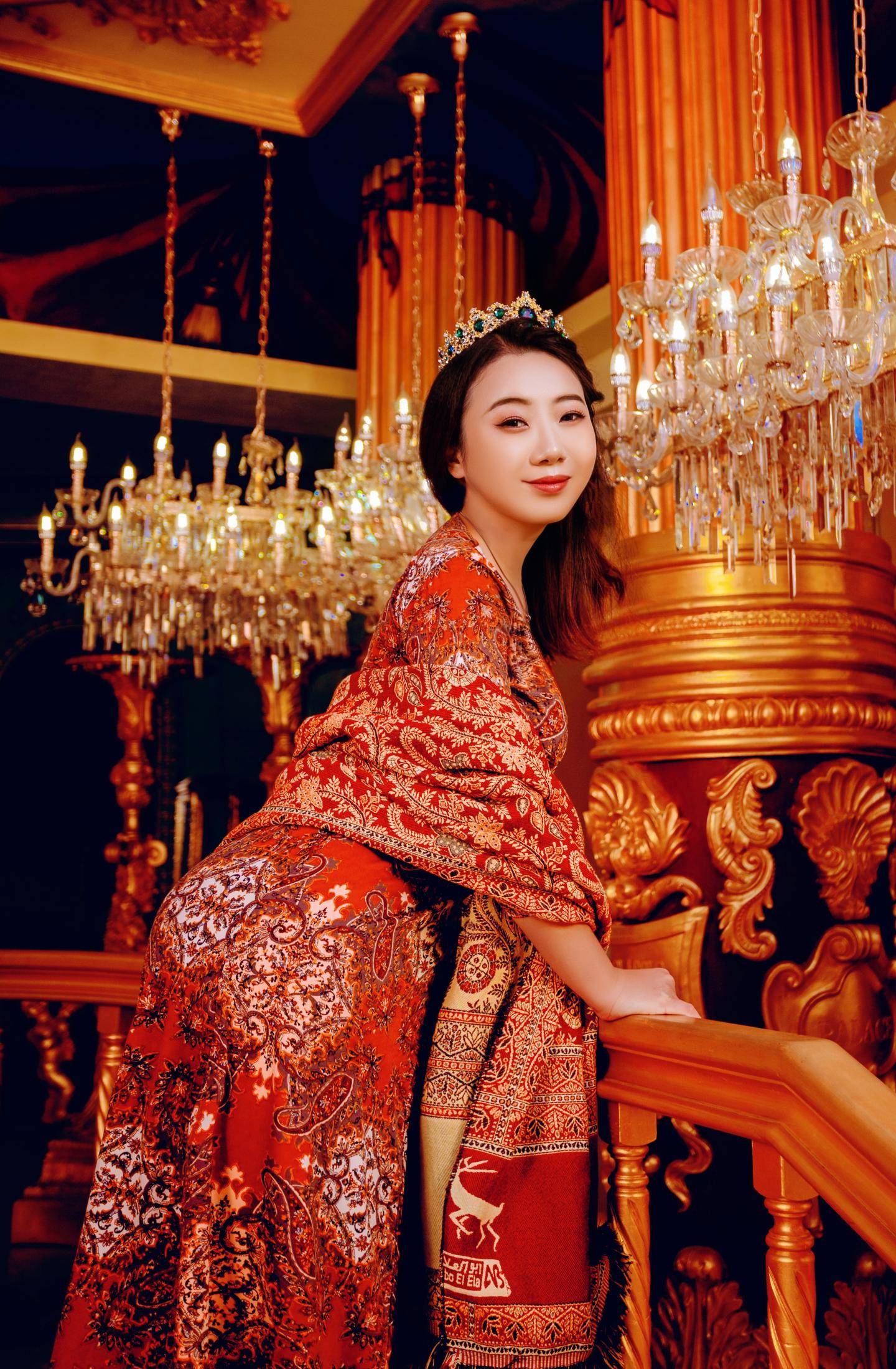
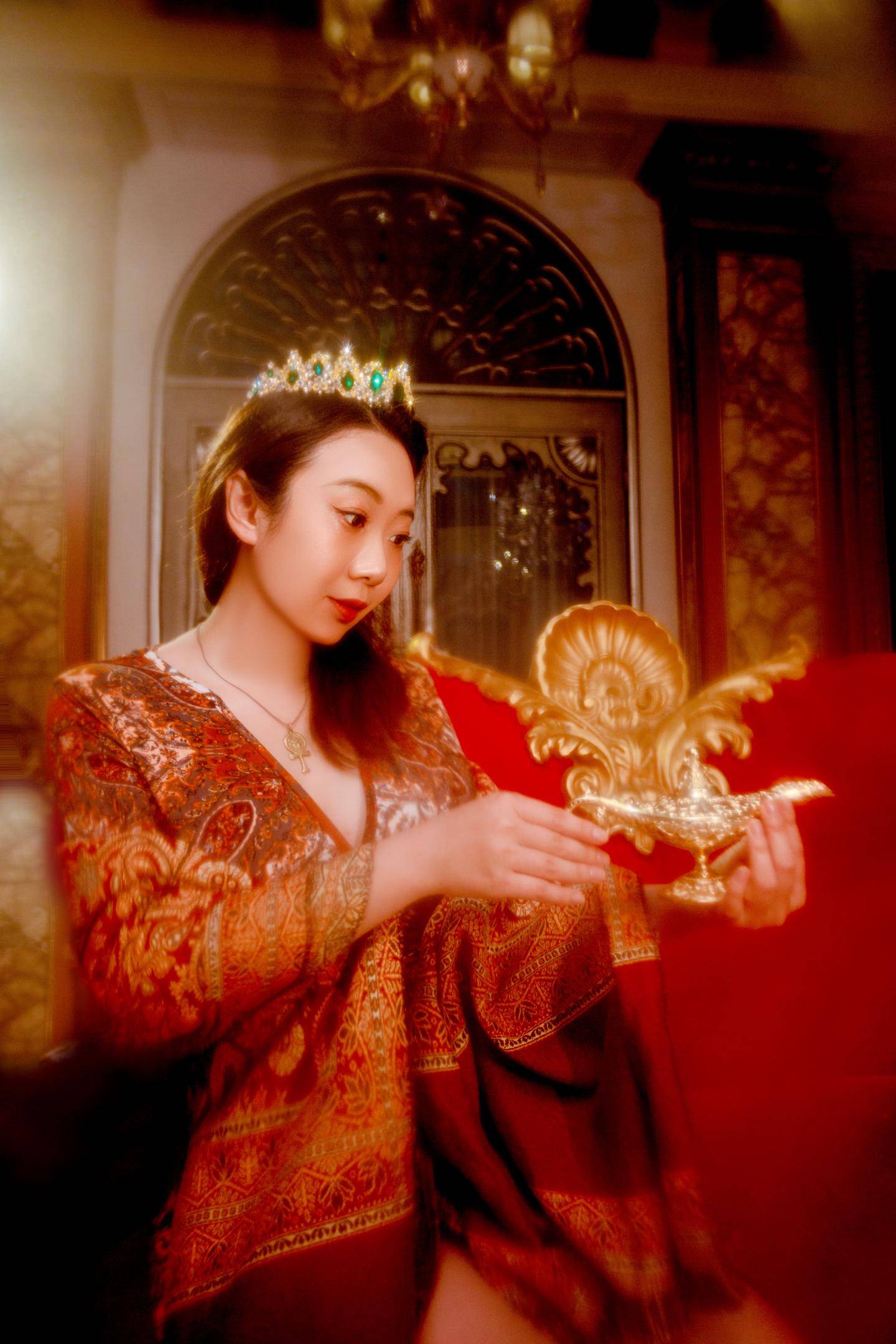
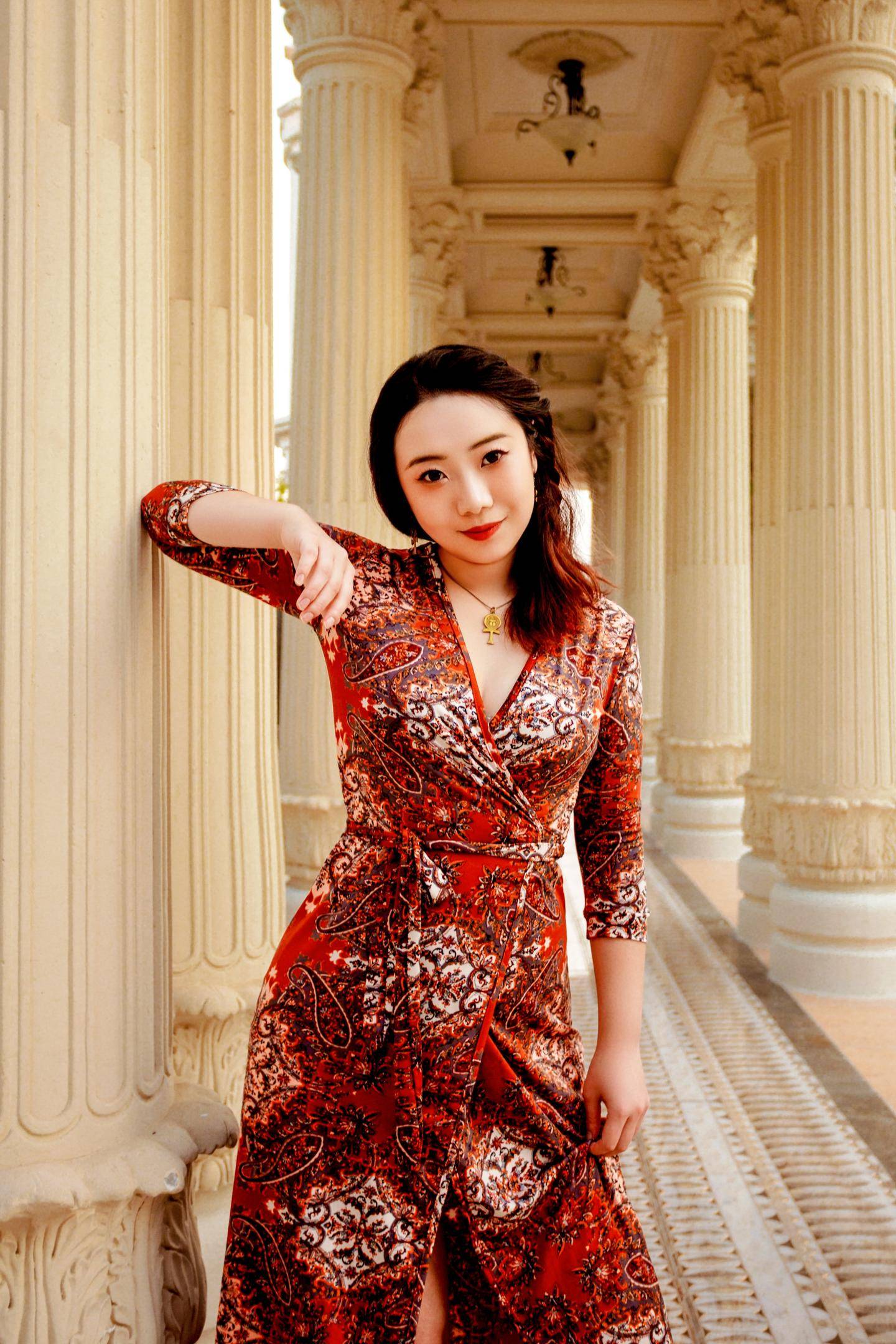
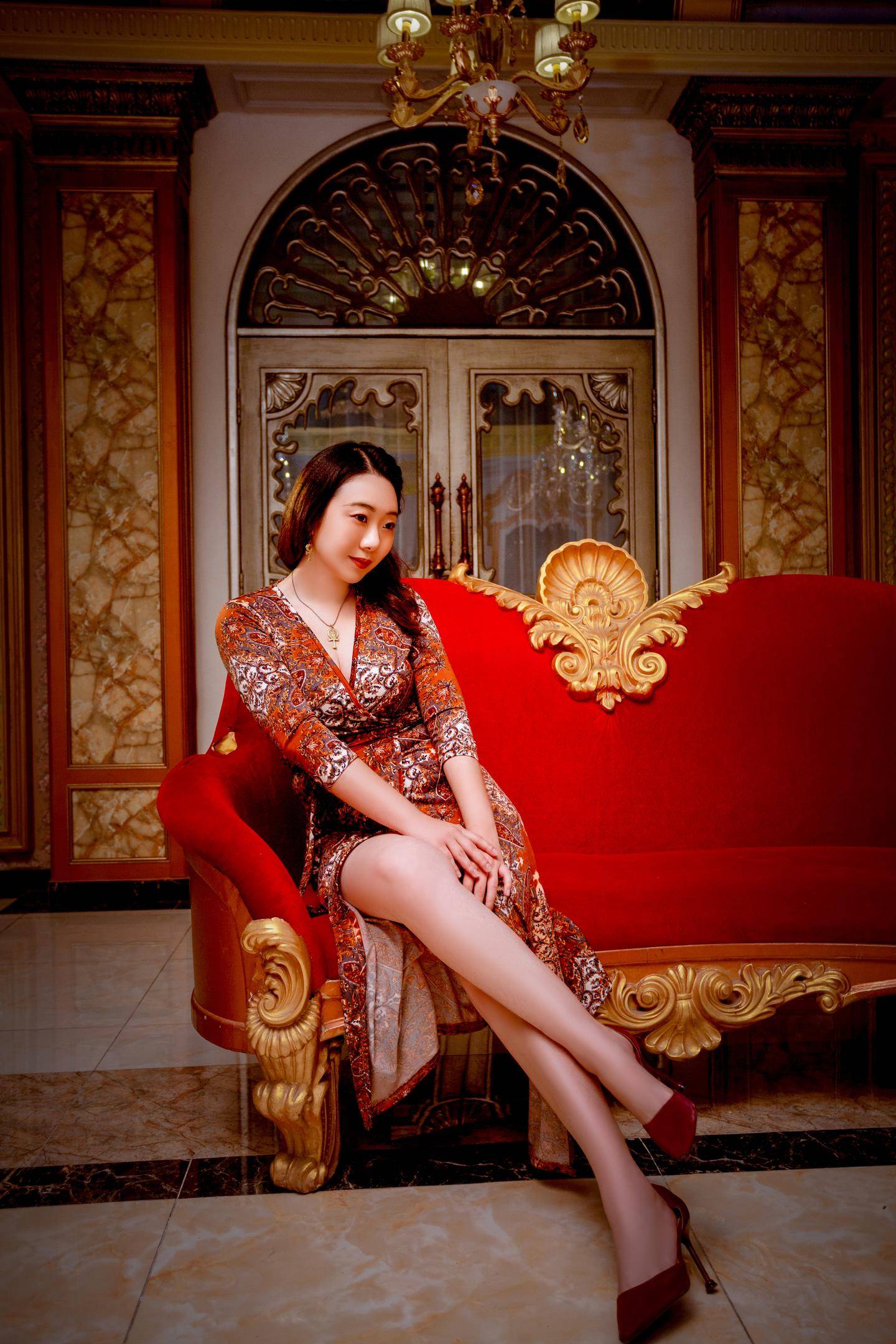
画面以高饱和度的正红沙发作为视觉核心,搭配鎏金雕花装饰,恰好呼应了阿拉伯传统审美中对“红金配色”的极致推崇:在中东诸多伊斯兰宫廷艺术、传统织物与建筑装饰中,浓烈的朱砂红象征着沙漠文明里的生命热忱与华贵尊荣,而鎏金纹样则传承自阿拉伯传统的金属錾刻、石膏描金工艺,是奥斯曼、萨法维等古典帝国宫廷美学的标志性符号,整体暖调的光影氛围也贴合阿拉伯艺术偏好浓郁厚重色彩、弱化冷调疏离感的创作特质。人物身着的缠纹服饰,其复古繁复的卷草纹样,也暗合了伊斯兰艺术经典的“连续几何卷草”装饰逻辑——这类无始无终的流动纹样,是中东传统织物、瓷砖壁画最核心的设计语言,自带浓郁的阿拉伯装饰美学基因。
二、空间场景的文化溯源
背景里的大理石嵌板、拱形铁艺门与鎏金水晶吊灯,并非单纯的欧式古典元素,其设计根源可追溯至阿拉伯安达卢西亚建筑与奥斯曼宫廷空间美学:对称规整的拱券结构、大面积天然云石的墙面运用,是中东古典宫殿的典型营造手法,而空间里遍布的涡旋鎏金雕饰,也和阿拉伯传统木雕、石膏雕花的装饰范式高度契合,整体营造出的华贵庄重氛围,还原了阿拉伯古典叙事里“宫廷私密空间”的氛围感,和传统阿拉伯人像艺术偏好以奢华空间烘托人物身份的创作逻辑一脉相承。
三、人物气质的东方美学呼应
区别于西方传统“东方主义”创作里对阿拉伯女性的刻板异化表达,作品系列里的人物神态温婉从容,肢体姿态舒展优雅,恰好贴合阿拉伯文化中对现代知性女性的审美表达:褪去了传统叙事里“面纱遮蔽的神秘符号”标签,转而呈现出阿拉伯当代艺术所推崇的——女性兼具内敛端庄与独立舒展的精神特质,暗合了当下中东艺术创作里,重新定义本土女性形象、跳出西方视角偏见的创作趋势。人物佩戴的细款金饰项链与耳坠,也呼应了阿拉伯文化中对黄金配饰的传统喜爱,这类精致简约的金饰搭配,是中东女性日常审美里极具代表性的搭配习惯。
四、光影叙事的艺术共鸣
画面采用的侧光塑造手法,让人物轮廓与空间鎏金细节形成柔和的高光过渡,这种光影处理和阿拉伯传统细密画里,以漫射光凸显器物与人物华贵质感的创作思路异曲同工,没有强烈的明暗冲突,却以温润厚重的影调,烘托出独属于中东美学的典雅与奢华感,完成了跨文化语境下,对阿拉伯古典华贵气质的当代影像转译。
1. Alignment with the Arab Traditional Aesthetic in Color System
The image uses a high-saturation bright red sofa as the visual focal point, paired with gilded carved decorations, perfectly echoing the Arab traditional aesthetic's utmost admiration for the red-and-gold color scheme. In many Islamic palatial arts, traditional textiles, and architectural decorations across the Middle East, the intense vermilion symbolizes vitality and noble elegance within desert civilizations, while the gilded patterns inherit from traditional Arab metal engraving and gold-plaster techniques. These are hallmark symbols of classical imperial court aesthetics such as the Ottoman and Safavid empires. The overall warm-toned lighting and shadow atmosphere also match the Arab artistic preference for rich, dense colors while downplaying cold, detached tones in creative works.
The characters wear intertwined-pattern clothing, with vintage and elaborate arabesque designs, which also reflect the classic Islamic “continuous geometric arabesque” decorative logic. These endless flowing patterns are the core design language of Middle Eastern traditional textiles and tiled murals, carrying a strong sense of Arab decorative aesthetics.
2. Cultural Origins of the Space
The marble panels in the background, arched iron doors, and gilded crystal chandeliers are not purely European classical elements; their design roots can be traced to Andalusian Arab architecture and Ottoman court spatial aesthetics. Symmetrically arranged arches and the use of large areas of natural marble walls are typical techniques in classical Middle Eastern palaces. The swirling gilded carvings throughout the space highly conform to traditional Arab wood and plaster carving decoration styles. The overall luxurious and solemn atmosphere recreates the sense of “private space in the palace” in classical Arab narratives, consistent with the traditional Arab portrait art logic of using lavish spaces to highlight a person's status.
3. Oriental Aesthetic Echo in Character Temperament
Unlike the stereotypical and exoticized depiction of Arab women in Western ‘Orientalist’ works, the characters in this series appear gentle and composed, with gracefully extended postures, accurately reflecting the Arab cultural aesthetic for modern intellectual women. This removes the earlier narrative label of the “mysterious symbol hidden by a veil” and instead presents what contemporary Arab art celebrates—women embodying both modest dignity and independent ease. This aligns with current Middle Eastern artistic trends that redefine native female images while moving beyond Western biases.
The delicate gold necklaces and earrings worn by the characters also echo the traditional Arab fondness for gold accessories. Such refined and simple jewelry is highly representative of Middle Eastern women's everyday aesthetic habits.
4. Artistic Resonance in Light and Shadow Storytelling
The side-lighting technique used in the image creates a soft highlight transition between the characters’ silhouettes and the gilded spatial details. This lighting treatment mirrors the approach in traditional Arab miniature painting, where diffused light emphasizes the luxurious texture of objects and characters. Without strong contrast, the warm and rich tonal shading evokes a unique Middle Eastern elegance and luxury, achieving a contemporary visual translation of classical Arab grandeur in a cross-cultural context.